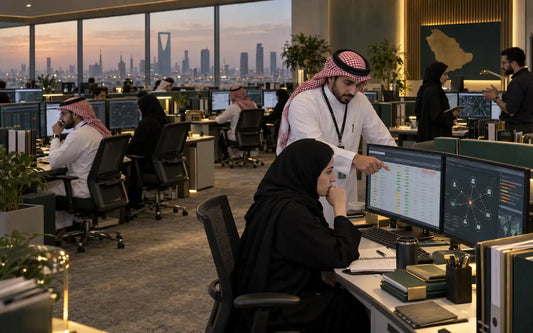
Workplace safety remains a critical concern across Saudi Arabia, particularly in construction, manufacturing, and healthcare sectors. Recent data from the Saudi Ministry of Human Resources and Social Development indicates that nearly 40% of workplace incidents in private-sector organizations involve preventable hazards, underlining the importance of skilled safety inspectors.
Safety inspectors are responsible not only for identifying hazards but also for preventing accidents, ensuring regulatory compliance, and fostering a culture of safety. In an era of rapid industrial growth and Vision 2030 mega-projects, these professionals are essential to protecting employees, maintaining operational efficiency, and mitigating financial and reputational risks.
The ability to detect and address workplace hazards proactively is now recognized as a key differentiator for professionals in safety-critical roles. Organizations are seeking inspectors with a combination of technical knowledge, analytical skills, and strategic awareness to navigate increasingly complex operational environments.
Types of Workplace Hazards Every Safety Inspector Must Identify
 Understanding the variety of hazards is foundational for any safety inspector. In 2026, inspectors are expected to recognize:
-
Physical hazards: Falls, machinery, electrical exposure, and unsafe work surfaces
-
Chemical hazards: Toxic substances, flammable materials, and corrosive agents
-
Biological hazards: Pathogens, exposure to contaminated materials, and infectious risks
-
Ergonomic hazards: Poor workstation design, repetitive strain, and manual handling injuries
In Saudi Arabia, inspectors often operate in diverse environments, from high-rise construction sites to industrial plants and healthcare facilities, requiring a broad knowledge base. Detecting hazards early enables organizations to implement corrective measures and prevent accidents before they escalate.
Conducting Effective Workplace Inspections to Spot Hidden Risks
A core skill for inspectors is the ability to conduct systematic and thorough inspections. Effective inspections require detailed checklists, observational skills, and awareness of both visible and hidden hazards.
Inspectors must evaluate equipment, work practices, environmental conditions, and employee behaviors. In 2026, many organizations are incorporating digital inspection tools and smart sensors to detect unsafe conditions that might otherwise go unnoticed. These technologies allow inspectors to prioritize high-risk areas efficiently, ensuring compliance with safety regulations.
The Saudi Standards, Metrology and Quality Organization (SASO) provides frameworks for workplace inspections, emphasizing hazard identification, preventive measures, and documentation.
Risk Assessment Tools & Methodologies for Hazard Prioritization
 Identifying hazards is only the first step. Inspectors must evaluate the severity and likelihood of risks using structured methodologies.
Common risk assessment tools include probability-impact matrices, scoring systems, and predictive analytics. These tools help inspectors prioritize hazards that pose the greatest threat to safety and allocate resources effectively.
In 2026, Saudi inspectors increasingly rely on AI-assisted tools to analyze historical incident data and forecast potential risks, improving both efficiency and accuracy. These modern approaches allow organizations to implement proactive safety measures and reduce incidents.
Implementing Preventive Control Measures After Hazard Identification
Once hazards are identified, inspectors ensure that preventive measures are implemented effectively. These may include engineering controls, administrative policies, personal protective equipment (PPE), and employee training.
For example, after identifying repetitive strain hazards in an office or industrial setting, inspectors may recommend ergonomic interventions, mandatory breaks, and proper handling procedures. In construction or healthcare settings, safeguards such as safety barriers, emergency procedures, and regular equipment maintenance are critical.
Implementing preventive measures reduces workplace accidents, ensures regulatory compliance, and fosters a proactive safety culture across Saudi organizations.
Documentation & Reporting of Identified Hazards for Regulatory Compliance
 An essential skill for safety inspectors is accurate documentation and reporting. In Saudi Arabia, compliance audits and regulatory inspections require detailed records of identified hazards, corrective actions taken, and follow-up procedures.
Inspection reports must be structured, clearly outlining the type of hazard, its location, potential risks, and recommended preventive measures. Digital tools are increasingly used to maintain these records, ensuring traceability and real-time accessibility for regulatory reviews. Hospitals, industrial sites, and construction projects integrate these reporting systems to demonstrate adherence to Ministry of Human Resources and Social Development (HRSD) safety regulation.
Consistent and thorough documentation not only ensures compliance but also helps organizations track trends over time, assess risk management effectiveness, and prioritize interventions.
Integrating Technology & AI Tools in Workplace Hazard Identification
Modern workplace inspections in 2026 leverage technology and AI to enhance accuracy and efficiency. AI-powered cameras, sensors, and predictive analytics help inspectors detect hazards that might otherwise go unnoticed.
For example, construction sites in Riyadh now use AI-enabled monitoring systems to identify unsafe equipment operation, track PPE compliance, and flag ergonomic risks. Industrial plants deploy sensors to detect chemical leaks or unsafe temperature levels in real time. These technologies allow inspectors to focus on critical hazards and prioritize interventions.
Saudi organizations are also using digital dashboards and mobile applications to streamline inspections, assign corrective actions, and maintain compliance logs. Learning to operate these tools is increasingly a core component of hazard identification training, providing inspectors with a competitive edge in the workforce.
Employee Feedback & Engagement in Hazard Identification Programs
Safety inspectors must also foster employee participation in hazard identification programs. Workers are often the first to notice unsafe conditions or near-misses, and their input is vital to creating a proactive safety culture.
Feedback can be collected via digital reporting platforms, team meetings, or anonymous suggestion channels. Inspectors analyze this information to uncover hazards that might not be immediately visible during formal inspections. Engaging employees also reinforces accountability, encourages adherence to safety protocols, and supports the adoption of preventive measures.
Research from OSHA Safety Culture Guidelines shows that workplaces with active employee engagement report up to 30% fewer accidents, demonstrating the tangible impact of collaborative hazard identification.
Training & Competency Requirements for Hazard Identification Inspectors in 2026
 In 2026, competent safety inspectors are expected to combine theoretical knowledge with practical experience. Core training includes risk assessment methodologies, hazard recognition, safety protocols, reporting techniques, and emerging AI tools.
Saudi workplaces are emphasizing continuous professional development, including certification programs, workshops, and scenario-based simulations. Inspectors trained in both traditional methods and modern digital technologies are better equipped to manage high-risk environments efficiently.
Courses like Training Course for Preparing Certified Safety Inspectors provide structured learning paths, combining classroom instruction, field exercises, and compliance training to ensure inspectors are prepared for the diverse hazards present in Saudi workplaces.
Conclusion
Workplace hazard identification in Saudi Arabia has evolved into a highly technical and strategic role in 2026. Inspectors who master hazard recognition, risk assessment, preventive controls, documentation, and modern AI-enabled tools are highly valued across industries.
By integrating employee feedback, leveraging technology, and continuously upskilling, safety inspectors ensure safer work environments, regulatory compliance, and operational efficiency. Structured training programs, such as Training Course for Preparing Certified Safety Inspectors, equip professionals with the skills to excel in complex environments, making them indispensable assets in the workforce.
FAQs
What types of hazards should safety inspectors focus on?
Physical, chemical, biological, and ergonomic hazards are the main areas inspectors monitor to ensure workplace safety.
Why is documentation critical for regulatory compliance?
Accurate reporting enables traceability, supports corrective actions, and ensures that organizations meet local safety regulations.
How is AI improving hazard identification in Saudi workplaces?
AI tools help detect hidden hazards, predict high-risk areas, and prioritize interventions for faster and more precise inspections.
How can employee feedback improve hazard programs?
Incorporating worker observations allows inspectors to uncover overlooked risks and promotes a culture of safety accountability.
What training is required for certified safety inspectors in 2026?
Training includes risk assessment, hazard recognition, reporting compliance, AI tool usage, and scenario-based exercises.