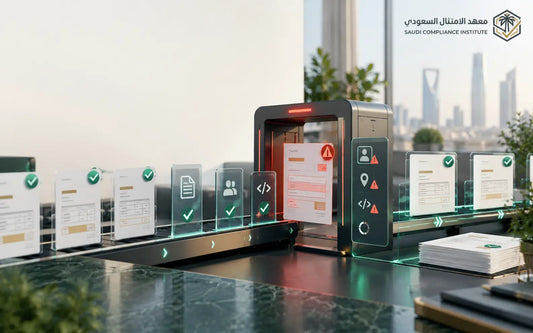
In 2026, a survey of hiring managers in Saudi Arabia revealed that over 68% of applicants are rejected before interviews due to weak communication skills, including unclear written applications, poor articulation, and ineffective email correspondence. Clear, concise, and confident communication is now a baseline requirement for candidates in nearly every sector, from technology and finance to healthcare and logistics.
Employers are not just evaluating vocabulary or grammar—they are assessing the ability to convey ideas clearly, present themselves professionally, and tailor messages to the audience. Strong communication skills can set a candidate apart even if their technical qualifications are comparable to peers.
Candidates who master both verbal and written communication, including presentations, proposals, and professional emails, demonstrate readiness to handle workplace interactions effectively. This is especially critical in cross-functional teams and Vision 2030-aligned projects that demand collaboration and clear reporting.
Problem-Solving & Critical Thinking Skills That Make Candidates Stand Out
Critical thinking and problem-solving are among the top skills employers look for in 2026. Hiring managers in Saudi Arabia prioritize candidates who can analyze complex situations, identify root causes, and propose actionable solutions without requiring constant supervision.
These skills are essential in roles where decisions affect project timelines, budgets, and operational efficiency. Professionals who demonstrate structured reasoning and proactive problem-solving in their applications or interviews are perceived as high-value hires.
Industry reports, such as LinkedIn Workplace Learning Insights 2026, highlight that candidates with critical thinking capabilities are more likely to be shortlisted for mid- and senior-level roles.
Teamwork & Collaboration Skills That Hiring Managers Prioritize Over Qualifications
 Employers in Saudi Arabia increasingly value interpersonal collaboration skills over individual qualifications. Professionals who can work effectively in teams, manage conflicts constructively, and support collective objectives are often prioritized during hiring.
Strong teamwork and collaboration skills show that a candidate can integrate into the organizational culture, contribute to group success, and communicate effectively across functions. These abilities are particularly sought after in Vision 2030 mega-projects where cross-functional teams must work seamlessly to meet ambitious goals.
Candidates who illustrate real examples of collaboration in prior roles or provide recommendations highlighting teamwork experience gain a competitive edge in the job market.
Adaptability & Continuous Learning — The Skills Employers Are Paying Premium For
The rapid pace of technological change and sector diversification in Saudi Arabia makes adaptability and continuous learning crucial for career success. Employers are increasingly seeking professionals who can quickly adjust to new tools, methods, and project requirements while continuing to upskill relevant to their roles.
Candidates who proactively pursue micro-credentials, online training, or professional workshops demonstrate initiative, resilience, and foresight. Organizations value employees who are agile learners capable of thriving in dynamic work environments, particularly in digital transformation initiatives under Vision 2030.
Self-Management & Personal Productivity Skills That Impress Every Employer
 In 2026, employers in Saudi Arabia are increasingly prioritizing candidates who can demonstrate strong self-management and personal productivity. Professionals who effectively prioritize tasks, meet deadlines, and manage competing responsibilities consistently outperform their peers. Using digital task management tools like Trello or Asana can help professionals stay organized and showcase measurable productivity improvements to potential employers.
Candidates who can plan their work, set realistic milestones, and maintain focus under pressure signal reliability and readiness for higher responsibility—qualities highly valued by hiring managers, especially in dynamic sectors like technology and finance.
Digital & Technical Literacy Skills Every Job Seeker Needs in 2026
 Digital literacy has become a critical differentiator in job searches. Professionals familiar with BI dashboards, collaboration software, and analytics platforms are in higher demand. For example, being proficient in Power BI or Tableau allows candidates to interpret complex datasets and generate actionable insights, which employers consider essential for strategic roles.
Beyond tools, candidates must understand cybersecurity basics, data handling best practices, and emerging AI-enabled applications. These skills demonstrate adaptability and readiness for modern workplace challenges, enhancing employability across multiple industries in Saudi Arabia.
Interpersonal Skills & Emotional Intelligence That Build Lasting Career Success
Emotional intelligence and interpersonal skills have a direct impact on hiring outcomes. Candidates who can navigate team dynamics, resolve conflicts, and communicate empathetically are more likely to integrate seamlessly into high-performing teams.
For example, HR departments increasingly assess candidates’ social awareness and conflict management skills during virtual interviews or assessment centers Harvard Business Review,(HBR) 2026. Candidates who demonstrate the ability to build trust, listen effectively, and influence colleagues without authority are often preferred over technically competent peers who lack these soft skills.
Leadership Skills That Separate Shortlisted Candidates From the Rest
 Even for non-leadership positions, candidates who show initiative, accountability, and collaborative problem-solving are highly attractive. Demonstrating leadership potential—such as mentoring junior colleagues, proposing process improvements, or coordinating cross-functional tasks—signals readiness for greater responsibility.
Structured training through programs like Career Planning and Job Search Skills helps professionals develop leadership and teamwork competencies in practical scenarios, positioning them as standout candidates in competitive 2026 job markets.
Conclusion
In 2026, job seekers in Saudi Arabia must combine technical skills, digital literacy, and soft skills to stand out. Strong communication, emotional intelligence, leadership potential, self-management, and adaptability are now essential for success. Professionals who integrate these capabilities increase their employability, accelerate career growth, and position themselves to contribute meaningfully to Vision 2030 initiatives.
Structured programs like Career Planning and Job Search Skills provide practical strategies for mastering these competencies, helping candidates navigate career transitions confidently and secure high-value roles.
FAQs
What self-management skills impress employers in 2026?
Time management, prioritization, goal setting, and the ability to work independently are the most valued self-management skills.
Which digital literacy skills are most critical for job seekers?
Proficiency with BI dashboards, analytics platforms, collaboration software, and basic cybersecurity awareness is highly valued.
Why are interpersonal skills important in the hiring process?
They help candidates build trust, navigate conflicts, collaborate effectively, and influence outcomes, which employers increasingly prioritize.
How can candidates demonstrate leadership potential without formal authority?
Through mentoring, initiative-taking, process improvement proposals, and supporting team success.
How do employers assess emotional intelligence during hiring?
Through behavioral interviews, situational judgment assessments, and evaluation of past team interactions or conflict resolution experiences.