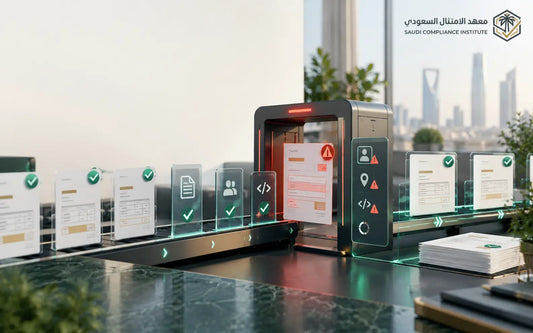
When Hajj is one week away, every Saudi workplace feels the same pressure: finish the urgent work, support colleagues going on leave, protect client trust, and still avoid burnout.
That is where Hajj Workplace Productivity becomes more than a nice idea. In mid-May 2026, Saudi professionals are entering one of the most sensitive productivity windows of the year. Q2 targets are still active. Clients still expect updates. HR and admin teams are watching leave plans. Managers are trying to keep projects moving while respecting the spiritual importance of the season.
Disclaimer: This article is for workplace productivity and planning guidance only. For labour rights, Hajj leave, or compliance decisions, always refer to official Saudi regulations or your HR/legal team.
The good news? You do not need to “work harder” before Hajj. You need a smarter rhythm. The Hajj “Work-Sync” Method helps teams prioritise, document, hand off, and pause professionally without leaving chaos behind.
Saudi Arabia’s Ministry of Hajj and Umrah provides official Hajj and pilgrim service updates through its Ministry of Hajj and Umrah portal, while HR teams should also monitor official workplace guidance from the Ministry of Human Resources and Social Development.
Why does work productivity during Hajj become more important than at any other time?
 During Hajj season, workplace productivity becomes more important than at almost any other time of the year.
In Saudi Arabia, this period often comes with intense seasonal pressure. There are files that must be closed, contracts that need review, approvals that must be sent, and client updates that have to be delivered before holidays, travel, and family and spiritual commitments begin.
The problem is that many teams treat the final week before Hajj like any normal workweek. But it is not. It is closer to a short, high-pressure sprint that requires clear prioritization.
During this period, not every task deserves the same level of attention. Some tasks must be completed before the holiday. Some can be postponed. Others simply need a proper handoff to another team member.
The first step is to ask your team one simple question:
“What will impact the client, compliance obligations, or Q2 performance indicators if we do not complete it before Hajj season?”
That single question turns pressure into a plan.
The 10-Day Sprint: Why the Week Before Hajj Is Critical for Q2 KPIs
Hajj Workplace Productivity starts with accepting the reality of the calendar. The week before Hajj is not a normal workweek. It is a compressed execution window where teams try to close pending tasks before attention shifts to travel, family, worship, Eid planning, and business slowdowns.
For many Saudi companies, this period overlaps with Q2 deadline management in KSA. Sales teams are chasing approvals. HR teams are finalising leave coverage. Finance teams are pushing invoices. Compliance teams are checking documentation. Managers are trying to prevent small delays from becoming post-holiday problems.
The mistake many teams make is treating the pre-Hajj period like a regular deadline week. It is not. It needs a 10-day sprint mindset.
Quick Fact Box: What Should Be Finished Before Hajj?
|
Priority Area |
What to Clear Before the Break |
|
Client work |
Approvals, reports, key replies, delivery status |
|
HR admin |
Hajj leave planning, coverage maps, pending requests |
|
Compliance |
Qiwa documentation, contract checks, policy updates |
|
Team operations |
Handover notes, task owners, escalation contacts |
|
Communication |
Out-of-office messages, client expectations, return dates |
Saudi labour guidance confirms that private sector employees are entitled to a 4-day Eid Al-Adha holiday starting from Arafat Day, while the Saudi Labour Law also provides Hajj leave rules for eligible workers performing Hajj.
The “Fajr Flow” Strategy for Saudi Work Hours Hajj Pressure
 Hajj Workplace Productivity works best when energy is managed, not just time. In the days before Hajj, the early morning hours are often the most valuable. Many professionals are mentally fresher, inbox noise is lower, and the heat of the day has not fully taken over.
This is the idea behind the Fajr Flow Strategy: use the first focused block of the day for high-value work, not small admin.
That means no starting the day with random WhatsApp messages, low-priority emails, or meetings that could be a voice note. Instead, use the first 90 minutes for the task that protects your Q2 target most.
For example, a Riyadh project manager might use the early block to finalise a client report. An HR officer might complete the Hajj leave coverage sheet. A finance executive might close pending approvals before stakeholders become unavailable.
Fajr Flow vs Normal Workday
|
Normal Workday |
Fajr Flow Workday |
|
Start with inbox |
Start with one mission-critical task |
|
React to requests |
Protect a focused work block |
|
Meetings first |
Decisions first |
|
Tasks scattered |
Tasks grouped by priority |
|
End with stress |
End with clearer handover |
This approach supports better work-life balance in Riyadh and across Saudi workplaces because it reduces the pressure to stretch work late into the evening.
Qiwa Compliance & Admin: Clear Documentation Before the Break
Hajj Workplace Productivity is not only about personal focus. It also includes admin discipline. In 2026, this matters even more because Saudi employers must pay close attention to Qiwa documentation deadlines.
The Ministry of Human Resources and Social Development announced updated compliance requirements for employment contract documentation through Qiwa, including an 85% target from 30 April 2026 and a 90% target by 30 June 2026. The announcement states that the compliance rate is calculated by comparing documented contracts with the total number of employee contracts in each establishment.
This creates a real pre-Hajj pressure point. If HR teams delay contract documentation until after Eid, they may return to a tighter deadline and heavier backlog.
A simple approach is to divide Qiwa work into three buckets:
First: contracts already documented and verified.
Second: contracts pending employee or employer action.
Third: unclear cases needing HR, legal, or manager review.
This is where structured learning helps. The Time Management Productivity course can help Saudi professionals build better prioritisation habits, plan urgent workloads, and reduce last-minute pressure before seasonal breaks.
The Ethical Handoff: Respect Religious Leave Without Stalling Projects
 Hajj Workplace Productivity must be human-centred. Hajj is not just a holiday period. For many employees, it is a once-in-a-lifetime religious journey. A strong workplace respects that while still protecting business continuity.
Saudi Labour Law states that an eligible worker may receive paid Hajj leave of not less than 10 days and not more than 15 days, including Eid Al-Adha, to perform Hajj once during their service if the conditions are met.
The ethical issue is simple: no colleague should feel punished for taking religious leave, and no remaining colleague should be silently overloaded.
A good handoff answers five questions:
-
What must be completed before leave?
-
What can wait until after Eid?
-
Who owns urgent decisions?
-
Where are the files, approvals, and notes?
-
What should not be touched unless there is an emergency?
Keep this short. A handoff should not be a 12-page document nobody reads. It should be clear enough that another colleague can act without guessing.
For managers, this is also a trust test. The goal is not to control every detail. The goal is to create a respectful system where work continues and people can focus on worship, family, and rest.
Digital OOO: Professionalising Your Break Without Losing Client Trust
Hajj Workplace Productivity also means knowing how to pause professionally. A weak out-of-office message can create confusion. A strong one protects your reputation.
During Hajj and Eid periods, clients and partners usually understand that response times may change. But they still need clarity. Who is covering? When will you return? What counts as urgent? What should wait?
Here is a simple digital OOO format:
Thank you for your message. I am currently away during the Hajj/Eid period and will return on [date]. For urgent matters, please contact [name/email]. For non-urgent requests, I will respond after my return. Wishing you a blessed Hajj season.
For client-facing teams, add one more layer. Send proactive updates before the break. Tell clients what is completed, what is pending, and what will resume after Eid. This small step can prevent frustration and protect trust in a high-growth Saudi market.
It also reduces post-break inbox shock. When expectations are clear, people do not return to avoidable complaints.
Practical Checklist: The Hajj Work-Sync Method
 Use this checklist in the final week before Hajj:
-
Choose your top 3 must-finish tasks for Q2 deadlines.
-
Use early morning focus blocks for deep work.
-
Close Qiwa and HR documentation gaps before the break.
-
Confirm Hajj leave planning and backup owners.
-
Prepare short handover notes for active projects.
-
Send client updates before people go offline.
-
Set a clear out-of-office reply.
-
Block your first post-Eid morning for review, not meetings.
The point is not to become perfect. The point is to reduce avoidable stress.
Conclusion: Hajj Workplace Productivity Is About Rhythm, Respect, and Readiness
Hajj Workplace Productivity is not about squeezing every last minute out of employees before the Kingdom slows down. It is about using time wisely, respecting religious leave, protecting business continuity, and helping teams enter the holy season with less stress.
The Hajj “Work-Sync” Method gives Saudi professionals a simple way to manage Q2 deadline pressure: sprint early, focus deeply, document clearly, hand off ethically, and pause professionally.
For employees, it brings relief. For managers, it brings control. For organisations, it protects trust.
And for teams that want to build these habits beyond Hajj season, the Time Management Productivity course offers a focused way to strengthen planning, prioritisation, and productivity skills for modern Saudi workplaces.
FAQs
What is Hajj Workplace Productivity?
Hajj Workplace Productivity means planning work, leave, deadlines, handovers, and communication around the Hajj season so teams stay productive without ignoring the spiritual and personal importance of the period.
How can I finish work before the Hajj break in 2026?
Start with your top three urgent tasks, protect early morning focus time, close pending approvals, send client updates, and prepare handover notes before colleagues begin leave.
What are Saudi Work Hours Hajj expectations?
Normal working-hour rules still apply unless your organisation announces special arrangements. However, many workplaces experience slower response times because of Hajj leave, Eid planning, and business pauses.
Why is Qiwa documentation important before Hajj?
Qiwa documentation matters because Saudi employers are expected to meet updated employment contract documentation targets, including a 90% target by 30 June 2026. Delaying until after Eid can create unnecessary pressure.
How should managers handle Hajj leave planning?
Managers should confirm leave dates early, assign backup owners, reduce non-essential meetings, document critical tasks, and avoid overloading employees who remain at work.
What should I write in my Hajj out-of-office message?
Mention your return date, who to contact for urgent matters, and when non-urgent messages will receive a response. Keep the tone respectful, clear, and professional.