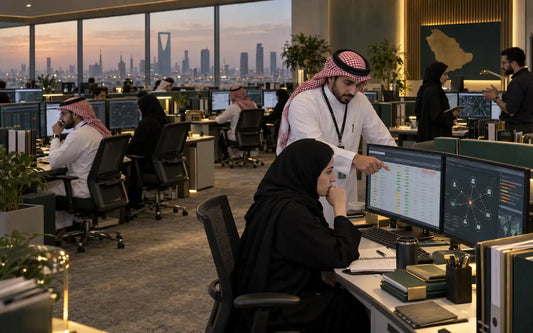
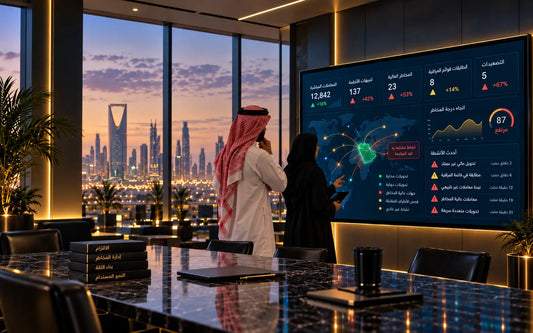
Saudi Arabia is building fast. From highways and utilities to industrial sites and event infrastructure, more projects mean more vehicle movement around active work areas. That is exactly why flagman training in Saudi Arabia matters more in 2026 than it did a few years ago. A trained flagman helps reduce confusion, protect workers, guide drivers, and keep temporary traffic moving safely around work zones. Saudi official guidance now treats work-zone traffic control as a formal technical area, not an afterthought, and Vision 2030 reporting highlights a 95% safety rate for traffic diversions and work zones as a tracked outcome. Check this, Saudi Vision 2030.
Whether you are starting out in construction, supporting site safety, or looking for a practical course that improves your employability, this guide explains what the role involves, who needs the training, and what you should expect from a good programme in the Kingdom.
What is a flagman in Saudi Arabia?

A flagman is the person responsible for helping control the safe movement of vehicles and, in some cases, pedestrians around roadworks, construction zones, restricted-access areas, loading points, and temporary diversions. In simple terms, they stand where risk is highest and help prevent the wrong movement at the wrong time.
In the Saudi context, this role matters because work zones are not just busy. They are often complex, fast-moving, and exposed to heavy vehicles, mixed traffic, heat, dust, and changing site layouts. Saudi Road Code materials include dedicated guidance for traffic control for work zones, which shows how seriously temporary traffic management is treated.
Quick fact box
A flagman usually helps with:
-
Controlling vehicle access into and out of a work area
-
Guiding drivers near plant, equipment, or excavation zones
-
Supporting safe traffic flow through temporary diversions
-
Communicating hazards clearly and quickly
-
Reducing the chance of collisions, confusion, or delay
Why flagman training matters in Saudi Arabia in 2026
The best answer is simple: more work zones mean more risk. Saudi Arabia’s road network, logistics ambitions, and infrastructure growth all increase the need for safer temporary traffic control. The Saudi Highway Code was created to unify standards for planning, design, construction, operation, and maintenance across the Kingdom, and it includes a specific section for traffic control for work zones. That makes this topic highly relevant for employers, contractors, and workers alike.
There is also a practical reason. Research on Saudi road work zones found that these environments can increase crash risk and that stronger safety practices are needed to reduce incidents for both road users and workers. That means flagman skills are not just “nice to have”. They support day-to-day accident prevention in a setting that is already recognised as high risk.
Who should take a flagman training course?
A lot of people assume this course is only for road crews. In reality, flagman training in Saudi Arabia can be useful for a much wider group.
It is especially relevant for:
-
Construction workers
-
Roadwork and maintenance crews
-
Traffic marshals and banksmen
-
HSE assistants
-
Security staff working near moving vehicles
-
Utility and civil teams
-
Logistics yard personnel
-
New workers trying to enter site-based roles
This broad audience matches what current training providers are already targeting. Saudi and Gulf course pages present flagman training as a basic or awareness-level programme for people entering traffic-control duties, especially in construction or site operations.
Flagman vs traffic marshal: what is the difference?
These job titles often overlap, but they are not always identical.
|
Role |
Main focus |
Typical setting |
|
Flagman |
Directing and controlling vehicle movement near work zones |
Roadworks, construction access, diversions |
|
Traffic marshal |
Managing wider site traffic movement and pedestrian safety |
Construction sites, compounds, logistics yards |
In many Saudi workplaces, employers may use different titles for similar tasks. What matters most is the skill set: clear signalling, safe positioning, hazard awareness, and disciplined communication.
What you learn in flagman training

Most competing course pages keep this section very short. That is a missed opportunity, because readers want to know what they will actually be able to do after training. Current course providers commonly cover traffic risks, site preparation, danger areas, vehicle guidance, signalling devices, and traffic-control methods.
A strong course should go a bit further.
Core topics usually include
1. Role and responsibilities
You learn what a flagman is expected to do on site, where to stand, what to watch for, and how to support safe traffic flow without creating new risks.
2. Communication and signalling
This covers standard hand signals, verbal instructions, positioning, visibility, and how to communicate with drivers, operators, and supervisors without confusion.
3. Work-zone awareness
You learn how traffic behaves near active work zones, why temporary routes can be risky, and how signs, cones, barriers, and access points should work together.
4. Hazard spotting
A good course teaches you to identify blind spots, reversing risks, speeding vehicles, poor lighting, blocked sightlines, and unsafe driver behaviour before they become incidents.
5. Personal safety and PPE
Hi-vis clothing, situational awareness, hydration, alertness, and site discipline are all essential in Saudi conditions, especially where heat and visibility can affect performance.
At this stage, readers often start comparing courses. If you want training that explains both the frontline role and the wider flow of site traffic, a structured [Flagman & Traffic Management] course is a natural next step because it connects signalling practice with real work-zone awareness and movement control.
Why Saudi-specific course content matters
Not every flagman course is equally useful for work in the Kingdom. Some pages selling “flagger” or “traffic control” courses are written for a broad Gulf or international audience. That can be fine for basics, but Saudi learners benefit more from training that reflects local site conditions, employer expectations, and Saudi road-safety guidance. The Saudi Highway Code was developed as a unified national reference for highway standards and safe operation, which is why local relevance matters when choosing training.
Saudi Road Code and local work-zone safety context

In Saudi Arabia, flagman training in Saudi Arabia is more useful when it reflects how work zones are actually managed under local guidance. The Saudi Road Code includes dedicated material on traffic control for work zones and is intended for people involved in the design, installation, maintenance, and operation of temporary traffic control. That matters because a flagman is not working in isolation. The role sits inside a wider traffic-management system that includes signs, cones, barriers, diversions, warning distances, and safe communication.
Quick takeaway
A good Saudi-focused course should help learners understand:
-
how work zones are organised
-
where a flagman fits into temporary traffic control
-
why poor positioning creates extra risk
-
how clear signalling supports safer traffic flow
This local context is one reason why employers increasingly value practical traffic-control awareness, not just basic site presence.
Industries and jobs that value flagman skills in Saudi Arabia
The demand for flagman training in Saudi Arabia is linked to sectors where vehicles, workers, and restricted spaces meet every day. Saudi Arabia’s construction, transport, utility, and maintenance activity creates regular demand for people who can support safe movement and access control.
Industries where these skills are useful
-
Road construction and highway maintenance
-
Civil construction and infrastructure projects
-
Utilities, drainage, and maintenance works
-
Industrial facilities and shutdown works
-
Warehousing, yards, and logistics compounds
-
Event infrastructure and temporary diversions
-
Municipal works and contractor-led roadworks
Roles that may benefit from this training
-
Flagman or flagger
-
Traffic marshal
-
Vehicle marshal
-
Site safety assistant
-
Work-zone support operative
-
Banksman in mixed-traffic environments
This is also where the article’s “career guide” angle matters. Even if a worker does not start with the exact title flagman, the skills from flagman training can support entry into wider site-safety and traffic-control responsibilities.
How to choose the right flagman training course in KSA

Not every course gives the same value. If someone is comparing options for flagman training in Saudi Arabia, they should look beyond the course title and check whether the content is practical, local, and easy to apply.
Look for these features
Saudi relevance
The course should reflect Saudi work zones, traffic-diversion practice, and site conditions.
Clear role coverage
It should explain what a flagman does, what they must never do, and how they support safer vehicle movement.
Practical communication training
Signalling, driver interaction, positioning, and hazard awareness should be covered clearly.
Traffic-management awareness
A useful course should connect the frontline role to the bigger picture of site traffic flow.
Suitable for beginners
The content should be simple enough for new workers but still useful for supervisors and safety support staff.
Evidence of completion
A certificate or completion record can help show training history to employers, even when site requirements vary.
If the goal is to build both frontline signalling skills and broader movement-control awareness, your Flagman & Traffic Management course fits naturally here as a practical next step for Saudi learners.
Common mistakes untrained flagmen make
This is one of the most useful sections for readers because it turns theory into real site behaviour. In practice, weak performance usually comes from poor awareness, poor positioning, or poor communication.
Common mistakes include
-
Standing where drivers cannot see them clearly
-
Giving inconsistent or confusing signals
-
Focusing only on one vehicle and missing a second hazard
-
Ignoring pedestrian movement nearby
-
Working too close to reversing plant or blind spots
-
Failing to adapt to dust, glare, darkness, or weather
-
Not understanding the traffic plan before starting work
These mistakes are exactly why flagman training in Saudi Arabia should be practical. A worker needs more than a definition. They need habits that reduce risk on a live site.
Flagman training vs traffic management training
This comparison can help readers choose the right course.
|
Training type |
Main focus |
Best for |
|
Flagman training |
Signalling, positioning, hazard awareness, safe vehicle guidance |
Workers controlling movement at the frontline |
|
Traffic management training |
Traffic flow, temporary layouts, diversions, site coordination |
Supervisors, planners, and teams handling wider movement systems |
In real workplaces, the two areas often overlap. That is why a combined learning path can be valuable. Someone may start with frontline movement control and later build into wider traffic-management responsibilities.
Can flagman training help you start a safety career in Saudi Arabia?
Yes, especially for people trying to enter construction, infrastructure, logistics, or work-zone support roles. Flagman training in Saudi Arabia can help beginners build three things employers value: hazard awareness, communication discipline, and safe site behaviour.
Career benefits may include
-
better understanding of work-zone risks
-
stronger awareness of vehicle and pedestrian interaction
-
improved confidence on active sites
-
a practical entry point into wider HSE or traffic-control work
It does not replace broader HSE qualifications, but it can be a useful starting block for workers who want to grow into site safety, traffic control, or supervision over time.
FAQs about flagman training in Saudi Arabia
What does a flagman do on a construction site?
A flagman helps control vehicle movement, protect work areas, and reduce the risk of collisions or confusion around active zones. The role often includes signalling, access control, and hazard awareness.
Who needs flagman training in Saudi Arabia?
Construction workers, road crews, traffic marshals, safety assistants, utility teams, and anyone working around moving vehicles or temporary traffic diversions can benefit from this training.
Is flagman training useful for beginners?
Yes. It is one of the more practical entry-level safety courses because it teaches visible, site-based skills that workers can apply quickly.
What is the difference between a flagman and a traffic marshal?
A flagman usually focuses on direct movement control near a work area. A traffic marshal may manage wider traffic flow across a whole site or compound.
What topics are covered in a flagman training course?
Most courses cover duties, hand signals, communication, work-zone awareness, traffic-control basics, hazard spotting, and personal safety.
Is flagman training important for work-zone safety?
Yes. Saudi official guidance gives clear importance to work-zone traffic control, and trained flagmen help reduce confusion and support safer site movement.
Can flagman training help me find work in Saudi Arabia?
It can support employability for site-based roles where traffic control, access guidance, and safe movement awareness are important.
How do I choose the best flagman course in KSA?
Choose one that is practical, Saudi-relevant, easy to follow, and linked to real work-zone and traffic-management scenarios.
Conclusion
Saudi Arabia’s construction and infrastructure growth mean safer vehicle movement is becoming more important on every type of active site. That is why flagman training in Saudi Arabia is not just a niche topic. It is a practical skill area linked to work-zone safety, traffic-diversion control, and better site operations. Saudi official guidance already treats work-zone traffic control as a defined technical area, and national reporting continues to highlight safer diversions and work zones as a priority.
For workers who want a stronger understanding of signalling, traffic flow, and movement control, your Flagman & Traffic Management course is a strong fit because it connects frontline duties with the wider safety picture Saudi employers increasingly care about.
If you want, I can now combine Part 1 and Part 2 into one clean final blog version with polished formatting and anchor-text suggestions for the internal and external links.