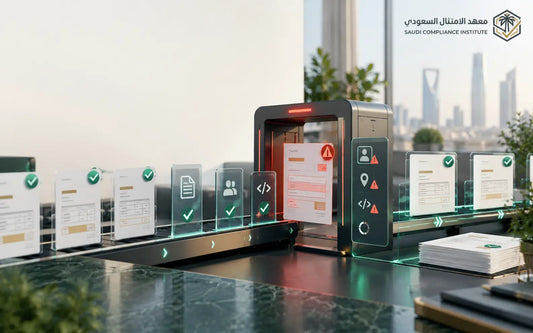
In 2026, the logistics sector in Saudi Arabia is undergoing a transformation driven by AI in logistics management. Companies are leveraging AI technologies to optimize transportation routes, reduce delivery times, and lower operational costs. AI-powered routing tools analyze traffic patterns, weather conditions, vehicle availability, and delivery schedules in real-time to ensure that shipments reach customers efficiently.
For example, route optimization AI systems can automatically adjust routes to avoid traffic congestion, reduce fuel consumption, and improve service levels. Companies that adopt these technologies not only reduce operational costs but also lower carbon emissions, aligning with sustainability objectives under Vision 2030.
AI-Powered Warehouse & Inventory Management
 Warehouses are also being revolutionized by AI. AI-powered warehouse management systems enable real-time tracking of inventory, predict stock movements, and automate storage processes. Robotics and AI-driven sorting systems reduce human error, increase handling speed, and improve safety in large distribution centers.
Inventory managers can use AI to monitor stock levels, automatically reorder products, and balance inventory across multiple locations. In Saudi Arabia, where e-commerce and industrial supply chains are expanding rapidly, these AI applications ensure that businesses can meet growing demand while minimizing waste and storage costs.
The International Federation of Robotics (IFR) highlights how warehouse automation powered by AI improves operational efficiency globally, and Saudi logistics operators are beginning to adopt these technologies to enhance competitiveness and service quality.
Demand Forecasting & Overstock Optimization Using AI
One of the most impactful applications of AI in logistics is demand forecasting. AI models analyze historical sales data, market trends, seasonal fluctuations, and even social media trends to predict product demand accurately. This reduces overstocking and prevents stockouts, ensuring that inventory matches customer needs.
By integrating demand forecasting AI into supply chain operations, companies can save on storage costs, improve cash flow, and enhance customer satisfaction. For professionals managing supply chain operations in Saudi Arabia, understanding AI forecasting tools is critical for planning and operational efficiency.
For global benchmarks on predictive analytics and AI-driven demand planning, the APICS Supply Chain Resources provides case studies and practical insights into advanced forecasting techniques.
Reducing Carbon Emissions & Fuel Costs with AI Logistics
 Sustainability is a key consideration in modern logistics. AI applications allow companies to reduce fuel consumption, optimize delivery routes, and minimize greenhouse gas emissions. By predicting traffic patterns and vehicle usage, AI-powered logistics can balance operational efficiency with environmental responsibility.
In Saudi Arabia, organizations are increasingly adopting these AI-driven solutions to comply with environmental standards and reduce their carbon footprint. This not only helps the environment but also improves the cost-effectiveness of logistics operations, as fuel optimization can account for a significant portion of supply chain expenses.
How AI Improves Supply Chain & Logistics Efficiency
 AI in logistics enhances supply chain efficiency by automating repetitive tasks, improving decision-making, and enabling faster response to changing conditions. Systems can monitor shipments, identify delays, and alert managers to potential disruptions. This proactive approach ensures smoother operations and reduces the risk of missed deadlines or service failures.
Integration of AI with logistics management software also provides managers with analytics dashboards, predictive insights, and workflow automation. Professionals who understand these tools can significantly improve operational efficiency and support strategic supply chain goals.
Saudi businesses aiming to streamline supply chain operations can benefit from professional guidance, such as the Supply Chain Logistics Management course, which provides practical strategies for applying AI in daily logistics operations.
Optional Table: Key AI Applications in Logistics
|
AI Application |
Purpose |
Business Impact |
|
Route Optimization AI |
Optimize delivery routes in real-time |
Reduces fuel costs, carbon emissions, and delivery times |
|
AI-Powered Warehouse Management |
Automates sorting, inventory tracking, and storage |
Increases efficiency, reduces errors, and improves safety |
|
Demand Forecasting AI |
Predicts customer demand |
Minimizes overstock/stockouts, optimizes inventory |
|
Predictive Maintenance |
Monitors vehicle/equipment health |
Reduces downtime, extends asset life, lowers costs |
Enhancing Order Accuracy & Fulfillment Efficiency with AI
Artificial intelligence significantly improves order accuracy and fulfillment efficiency in modern logistics operations. AI systems can process order information in real-time, detect inconsistencies, and guide warehouse staff to pick, pack, and ship items accurately.
In Saudi Arabia, e-commerce growth and the expansion of retail supply chains have made AI-powered warehouse management increasingly critical. AI algorithms optimize inventory placement, prioritize urgent orders, and predict delays in fulfillment, reducing errors and improving customer satisfaction.
Organizations adopting AI for order fulfillment also benefit from automated reporting and exception management. This reduces the reliance on manual checks, allowing logistics teams to focus on high-value decision-making. For professionals looking to enhance operational performance, structured training through Supply Chain Logistics Management teaches how to integrate AI tools into daily logistics workflows effectively.
The Role of AI in Modern Logistics
 AI is reshaping logistics management by turning data into actionable insights and enabling smarter decision-making across the supply chain. Beyond route optimization and inventory management, AI can predict supply chain disruptions, recommend alternative suppliers, and monitor compliance with supply chain regulations.
AI technologies, including machine learning, predictive analytics, and intelligent automation, allow logistics managers to anticipate problems before they occur. For instance, predictive models can forecast equipment failures, seasonal demand spikes, or transport delays, giving companies a proactive edge in maintaining operational continuity.
In Saudi Arabia, AI adoption aligns with Vision 2030, as logistics companies aim to improve efficiency, reduce environmental impact, and support the growing e-commerce and industrial sectors. Professionals trained in AI applications for logistics gain the skills to implement data-driven strategies that improve reliability, reduce costs, and enhance sustainability.
Conclusion
AI is no longer a futuristic concept in logistics—it is a practical, transformative tool. From transportation optimization and inventory management to demand forecasting and order fulfillment, AI enhances efficiency, reduces costs, and improves sustainability in supply chain operations.
For Saudi organizations, leveraging AI in logistics is essential to remain competitive in a rapidly growing market. Professionals who understand how to apply AI solutions can drive measurable improvements in operational performance while supporting national objectives under Vision 2030.
Courses like Supply Chain Logistics Management provide professionals with the knowledge and hands-on skills necessary to implement AI-driven strategies, manage modern supply chain challenges, and optimize logistics operations effectively. By combining technology, training, and strategic insights, organizations can build agile, resilient, and efficient supply chains.
FAQs
What are the main applications of AI in logistics management?
AI is used for route optimization, inventory management, warehouse automation, demand forecasting, order fulfillment, predictive maintenance, and compliance monitoring.
How does AI improve supply chain efficiency?
AI enables predictive analytics, optimizes transportation and inventory, automates repetitive tasks, and provides actionable insights that help reduce costs and delays.
What is AI-powered warehouse management?
It is a system that automates inventory tracking, sorting, and storage using AI algorithms to reduce human error and improve operational efficiency.
How does AI in logistics reduce carbon emissions and fuel costs?
By optimizing delivery routes, reducing idle time, and improving vehicle utilization, AI minimizes fuel consumption and lowers the carbon footprint of logistics operations.
Can AI help prevent supply chain disruptions?
Yes. Predictive AI models can anticipate equipment failures, demand spikes, or supplier delays, allowing companies to respond proactively.
What skills are needed for AI in logistics management?
Professionals need knowledge of AI technologies, predictive analytics, supply chain operations, data analysis, and logistics strategy. Training through programs like Supply Chain Logistics Management helps build these skills.
How is AI transforming logistics in Saudi Arabia?
AI is enhancing route optimization, warehouse efficiency, demand forecasting, and sustainability practices, supporting Vision 2030 goals for economic diversification and operational excellence.